How Many Kitesurfing Lessons Are Needed to Learn the Basics
Picture this: you're on the beach, watching someone carve across the water with a kite high above them, and you think, "Okay, I want to try that." About five seconds later comes the practical question: how long is this actually going to take?
It's the one we get asked most at Kite Obsession, usually before someone has even picked up a harness. So here's the straight answer. Most people need around 6 to 10 hours of instruction, which is usually 3 to 5 kitesurfing lessons, before the basics feel natural. Some get there quicker. Some need a few extra sessions. Neither one says anything about how good you'll end up being.
What Actually Happens in Your Lessons
1. Learning to control the kite (lessons 1 and 2)
Your first kitesurfing lessons probably won't involve much water. You'll spend a lot of time on the sand learning how the wind works, how to launch and land the kite, and how the safety system works.

Why it matters: The kite is your engine and your steering wheel. If you don't feel in charge of it, everything else is a struggle. Almost every beginner wants to rush this part, and almost every instructor will tell you it's the part worth slowing down for.
2. Body dragging (lessons 2 and 3)
This is where you get pulled through the water by the kite, no board yet. It feels silly and you'll swallow some seawater, but it's one of the most useful things you'll learn.
Why it matters: It teaches you to manage the kite's power while you're in the water, and it's how you get yourself safely back if things go wrong.
3. Your first water starts (lessons 3 and 4)
Now the board comes out. You'll learn to set up the kite, get your feet in position and let the pull lift you up.
Why it matters: This is the moment it starts to feel like real kitesurfing. Be ready to fall a lot first. Everyone does, and the first time you stay up makes every wipeout worth it.
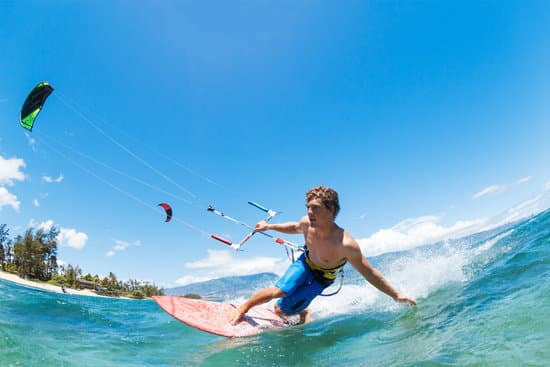
4. Riding and heading upwind (lessons 4 and 5, sometimes more)
Once you're riding, the next goal is staying in one place, or even drifting back the way you came. If you can't, the wind carries you downwind and you end up with a long walk back along the beach, dragging your gear.
The team at Kite Obsession offers beginner-friendly kitesurfing lessons designed around your pace, your goals, and your safety. Book your first session today and take your first step toward riding the wind.
Why Your Number Might Be Different
Your background. If you've surfed, snowboarded, wakeboarded or skated, your balance will probably help. If you haven't, don't worry. Plenty of people start from zero and do just fine.
The wind. Steady, moderate wind is ideal. Gusty or very light days mean less time riding, so you might need an extra session.
Private or group. Private lessons tend to be quicker because your instructor is watching only you. Groups cost less, but you'll spend more time waiting your turn.
How close together you book. Lessons a day or two apart help the skills stick. Leave a month between them and you'll spend half your next session remembering what you already learned.
Who's teaching you. A certified instructor with good gear and a way to talk to you on the water, like radio helmets, makes a real difference.
A Few Tips From Us
- Book lessons close together. Three days in a row beats one a month, every time.
- Spend an hour with a trainer kite. It's a cheap way to get a feel for the wind before you hit the water.

- Don't skip the beach stage. It's the least exciting part, but it saves you a lot of frustration later.
- Ask questions, even the "silly" ones. Understanding why something works helps you fix mistakes on your own.
- Look after yourself. Drink water, eat properly and rest. Tired kitesurfers make mistakes.
Do You Really Need Lessons?
Honestly, yes. A kite is powerful, and teaching yourself can put you and the people around you at risk. Good lessons put safety first and help you avoid habits that are hard to unlearn later. They also save you money over time, since you waste fewer hours and damage less gear.
So, how many lessons? Plan for 3 to 5, around 6 to 10 hours, and leave a bit of room in case the weather doesn't cooperate. Try not to compare yourself to the person next to you. Everyone learns at their own speed, and every session gets you closer.
Conclusion
Learning to kitesurf takes patience, a few splashes and a lot of laughs. The basics won't take forever, though. With good instruction and a bit of consistency, most people are riding on their own within a handful of lessons.
Whether you dream of cruising along the shoreline or one day trying jumps, it all starts with that first session. When you're ready, book your first lesson, get out on the water and enjoy the ride.


Comments
Post a Comment